 DGactual
Eleven Saves Could Not Beat a Rested Man
The best individual performance in the World Cup final belonged to the losing goalkeeper. The trophy went to the team that planned its rest like a tactic.
By Daniel Govaer. AI used as research support only.
The best player on the field lost
Spain won the World Cup on Sunday, 1-0 over Argentina in extra time at MetLife Stadium, in front of 80,663 people. The goal came in the 106th minute. Ferran Torres finished it after Nico Williams kept a dying cross alive and headed it back across the box.
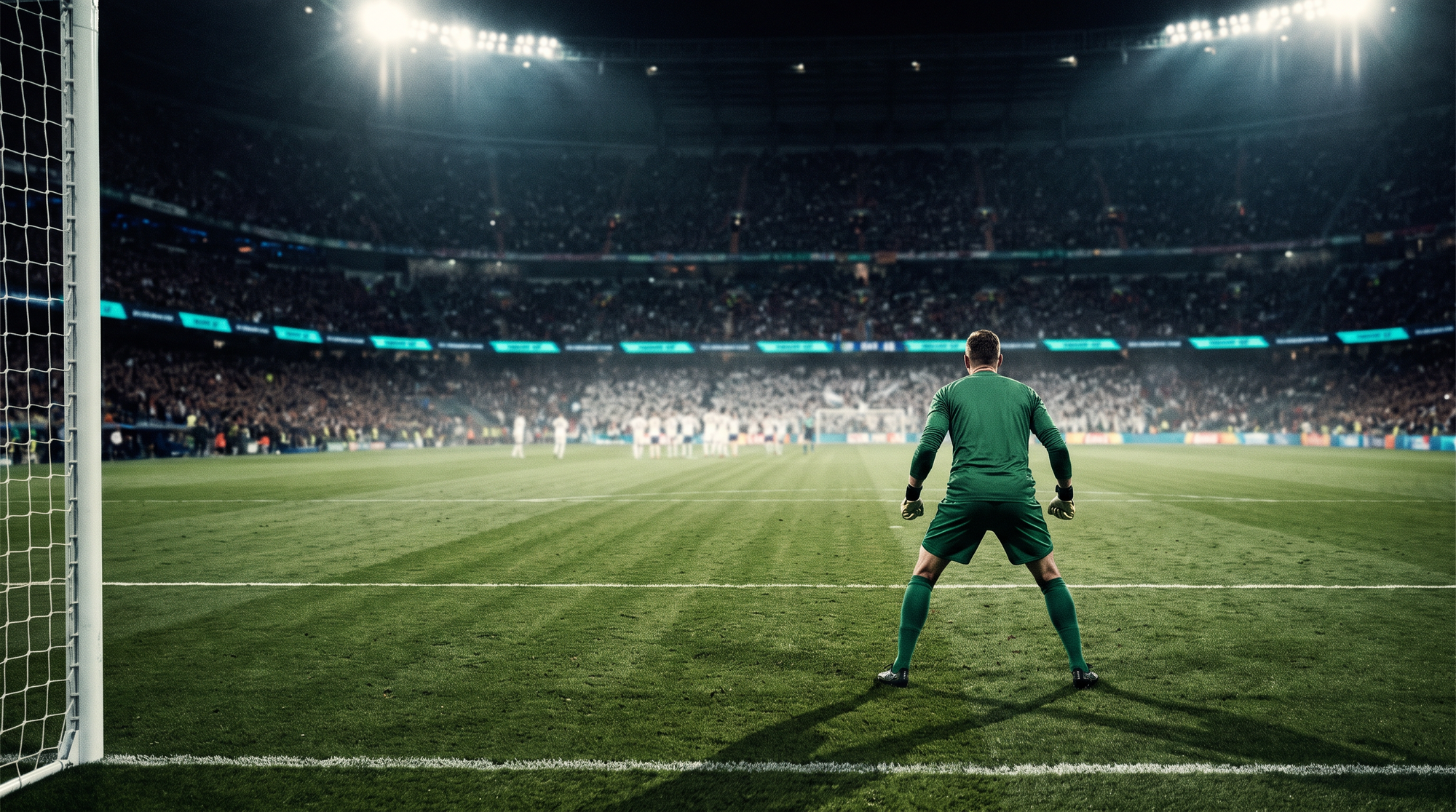
Here is the part I cannot stop thinking about. The best individual performance in that stadium belonged to the losing goalkeeper. Emiliano Martinez made 11 saves, the most ever recorded in a World Cup final. The previous record was 8, set back in the 1994 final, the last time this game was played on American soil. He did it with a broken finger on his right hand. His stoppage-time save on a Lamine Yamal free kick is the only reason the match reached extra time at all.
Martinez gave everything a human being can give across 120 minutes. And the trophy went to a team that had men who had given nothing yet.
A match that ran everyone empty
Argentina became the first team in World Cup final history to go 90 minutes without a single shot. Not zero on target. Zero attempts. Defending like that is not passive. Chasing the ball for 90 minutes is the most expensive work on the field, and Argentina paid for it twice. Enzo Fernandez collected a second yellow in stoppage time, so they played all 30 minutes of extra time a man down.
So picture minute 106. Argentina's back line has been sprinting after Spain's passing for more than an hour and a half, now with ten men. And the two Spaniards who combine for the goal, Williams and Torres, are the two freshest attackers on the field. Torres had come on just past the hour for Mikel Oyarzabal. Williams and Mikel Merino entered together in the 75th. A substitute created the goal and a substitute scored it.
Williams is worth pausing on, because his contribution went past fresh legs. The winner started as a Pedro Porro cross from the right that was drifting out past the far post. Williams ran it down and stretched to head the ball back into the middle, keeping alive a play everyone else had written off, and that header fell to Torres. It is the kind of effort a man makes only when he has something left in the tank at minute 106. After the whistle Williams walked into the stands and put his winner medal around his mother neck. Years earlier, pregnant, she had crossed the Sahara on foot to reach Spain. He put it simply afterward: he runs fast, but not as fast as his mother. The fresh legs were the tactic. What he chose to do with them was his own.
Spain planned the rest
None of this was a lucky bounce off the bench. It was the most consistent pattern of Spain's tournament.
Luis de la Fuente ran a nearly unchanged starting eleven through the knockout rounds and made the same handful of late substitutions match after match. Torres came off the bench in every one of Spain's six matches before the final. In the round of 16 against Portugal he entered in the 75th minute and set up the winner in the 91st. The man who scored that one was Merino, who had entered in the 85th.
Merino then did it again in the quarterfinal, on in the 86th minute against Belgium, scoring in the 88th. That made him the first player in World Cup history to score the winning goal in two different knockout matches as a substitute. And it was not new. At Euro 2024 he came on in the 79th minute of the quarterfinal against Germany and scored the winner in the 119th.
Three straight tournaments' worth of evidence, same design. Spain picked a roster to win minutes 75 through 120, kept those players out of the fight until the opponent was empty, and sent them in fresh. There is a famous precedent for how this movie ends. The last World Cup final still scoreless after 90 minutes was 2014, when Mario Gotze came off the bench in the 88th minute and scored the winner in the 113th. Finals are decided by whoever still has capacity when everyone else is out of it.
The closer, but heavier
Baseball has a name for this role. The closer sits in the bullpen for two and a half hours, watches, stays loose, and is handed the highest-leverage three outs of the night precisely because he has spent nothing. Nobody calls the closer lazy for sitting through seven innings. The sitting is the job. The rest is what makes the ninth inning possible.
The soccer version is the same idea with a heavier bill. A closer throws one inning. Merino and Torres are asked to produce 30 to 45 minutes of flat-out sprinting against defenders who would love a breather, and to be at full speed on their very first touch. USA Today's writeup of the Merino role captured the mechanism plainly: he comes in with fresh legs against defenses that have been running, scrapping, and concentrating for more than an hour, so he finds holes that did not exist in minute 20.
And notice what the team asks of these men. Not to play a little. To be completely out, at peace with watching the biggest game of their lives from a bench, and then to be completely in, instantly, with the World Cup on the line. The freshness is not a nice bonus. It is the entire value they bring. Spain did not win despite resting Torres and Merino. Spain won because it rested them on purpose.
Entirely out, then all in
This is where the final stops being a soccer story. The research on recovery says the benefit of time off comes from actually detaching, meaning you stop doing the work and stop thinking about the work. Psychologists call it psychological detachment, and studies keep finding that people who genuinely switch off during nonwork time come back with more energy, better focus, and better performance than people who stay half connected. Harvard Business Review has made the same case for years, down to the title of one piece: Don't Work on Vacation. Seriously.
The half-connected version is what Argentina's defenders looked like by minute 100. Still on the field, still technically working, nothing left to work with. The detached version is Torres on the bench for an hour, doing nothing, saving everything, then producing the single decisive action of a monthlong tournament.
Most of us run our working lives like Martinez ran his final. Stay in, absorb everything, make save after save, take pride in the record workload. It is genuinely heroic and I am not mocking it. But Sunday put the ceiling of that approach on a scoreboard in front of 80,663 people. Eleven saves, a broken finger, a place in history, and a silver medal.
The bench is the other model. Be entirely out so you can be all in. Take the vacation without the laptop. Let the phone die on Saturday. Sit through seven innings without warming up. It feels like waste right up until minute 106, when it turns out to be the only thing on the field that still works.
Spain earned the trophy over seven matches. But the margin, the actual difference between the two teams at the moment that decided it, was rest that had been planned like a tactic. That is worth remembering the next time stepping away feels like falling behind. The freshest man on the field is not behind. He is the plan.
Sources
- Match report and Fernandez red card: ESPN
- Match wrap, substitution timeline, and first Argentina attempt: USA Today
- Martinez saves record and broken finger: USA Today
- Previous final saves record, 1994: Sporting News
- Argentina zero shots in 90 minutes: NBC Sports
- Torres goal, 61st-minute entry, and Portugal assist sequence: World Soccer Talk
- Merino substitute record: BBC
- Merino role, entry minutes, and Euro 2024 winner: USA Today
- Torres off the bench in all six matches before the final: Forbes
- Spain's lineup stability under De la Fuente: De Ultimo Minuto
- Gotze 2014 precedent: The Athletic
- Psychological detachment research: Sonnentag, Psychological Detachment From Work During Leisure Time
- Don't Work on Vacation. Seriously.: Harvard Business Review
- The Data-Driven Case for Vacation: Harvard Business Review
- Attendance figures: USA Today